marine life
Swimming with Whale Sharks in the Maldives: The Rules Every Visitor Should Know
June 15, 2026
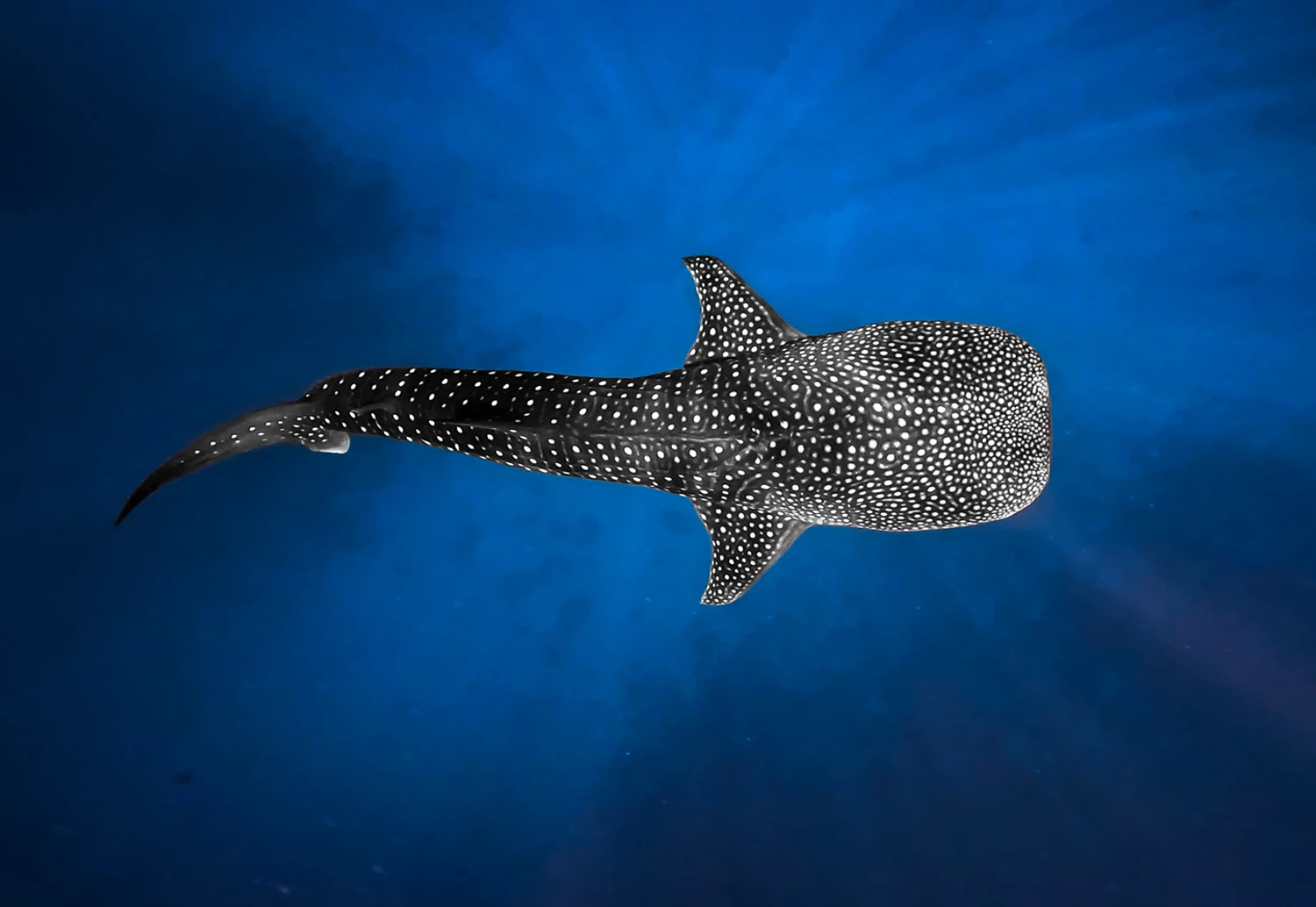
The whale shark is the largest fish in the ocean - a gentle, slow-moving giant that can grow longer than the boat you arrive on. Swimming alongside one is, for many travellers, the most unforgettable moment of a Maldives trip. But these animals are also protected, and the Maldives has a clear set of rules that keep both the sharks and the people in the water safe. Knowing them before you go makes your encounter calmer, fairer for everyone queuing to see the same animal, and far better for the shark.
The guidelines below come from the Maldivian Whale Shark Tourist Encounter Guidelines, the national code of conduct first set out for the South Ari Atoll Marine Protected Area - the country's year-round whale shark hotspot. The same principles apply wherever you meet a whale shark in the Maldives, including here in Baa Atoll, where whale sharks pass through during the plankton-rich months that also bring the famous manta aggregations to Hanifaru Bay.
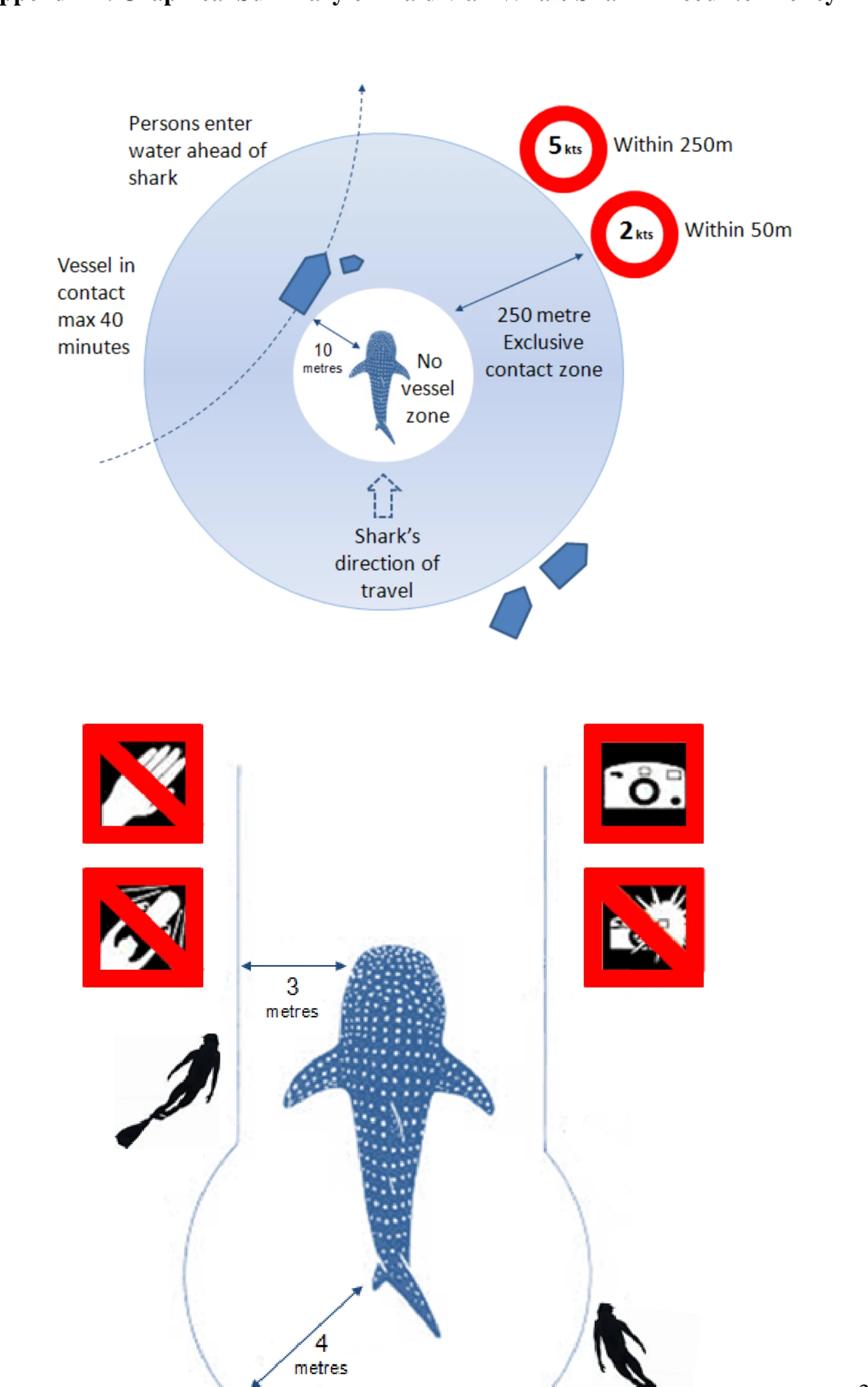
The single most important rule: never touch or ride a whale shark. Not for a photo, not "just once," not under any circumstance. Touching strips the protective mucus layer from their skin and causes real stress to the animal.
Keep your distance in the water. Stay at least 3 metres from the head and body of the shark, and at least 4 metres from the tail - a single sweep of that tail is powerful enough to injure you. Never deliberately swim across the shark's path or block where it's trying to go. Let it lead; you follow alongside.
Leave the gadgets behind. No flash photography, which disturbs the shark, and no motorised aids such as underwater scooters or anything towed behind the boat inside the encounter zone. Just you, a mask, and fins.
There's a limit on numbers for a reason. No more than 12 swimmers should be in the water from a single boat at a time. A calm, small group sees far more than a crowd thrashing around a stressed animal.
The boat rules matter too, even though they're the crew's job. Around every whale shark there's a 250-metre exclusive contact zone, with a no-vessel zone of 10 metres right around the animal. Boats slow to 5 knots inside the zone and 2 knots within 50 metres of the shark, and a boat won't stay more than 40 minutes if others are waiting their turn. A responsible operator approaches gently from the front or side, never chasing or cutting off the shark's direction of travel.
When can you expect to see one near us? Baa Atoll comes alive during the southwest monsoon, roughly June to November, when ocean currents funnel plankton into the bay and reefs around Dharavandhoo. That's the same season that draws manta rays - and sometimes whale sharks - to Hanifaru Bay, a UNESCO-protected marine area just minutes from Violet Inn. Our snorkelling and Hanifaru trips run with local guides who know the rules, read the conditions, and put you in the water in the right place at the right time.
Follow the code, trust your guide, and you'll come away with the encounter of a lifetime - and leave the shark exactly as you found it, free to keep cruising the reef long after you've swum back to the boat.